16 Oct 2026
Digital Wallets Drive New Reward Systems in Mobile Table Games and Sports Markets
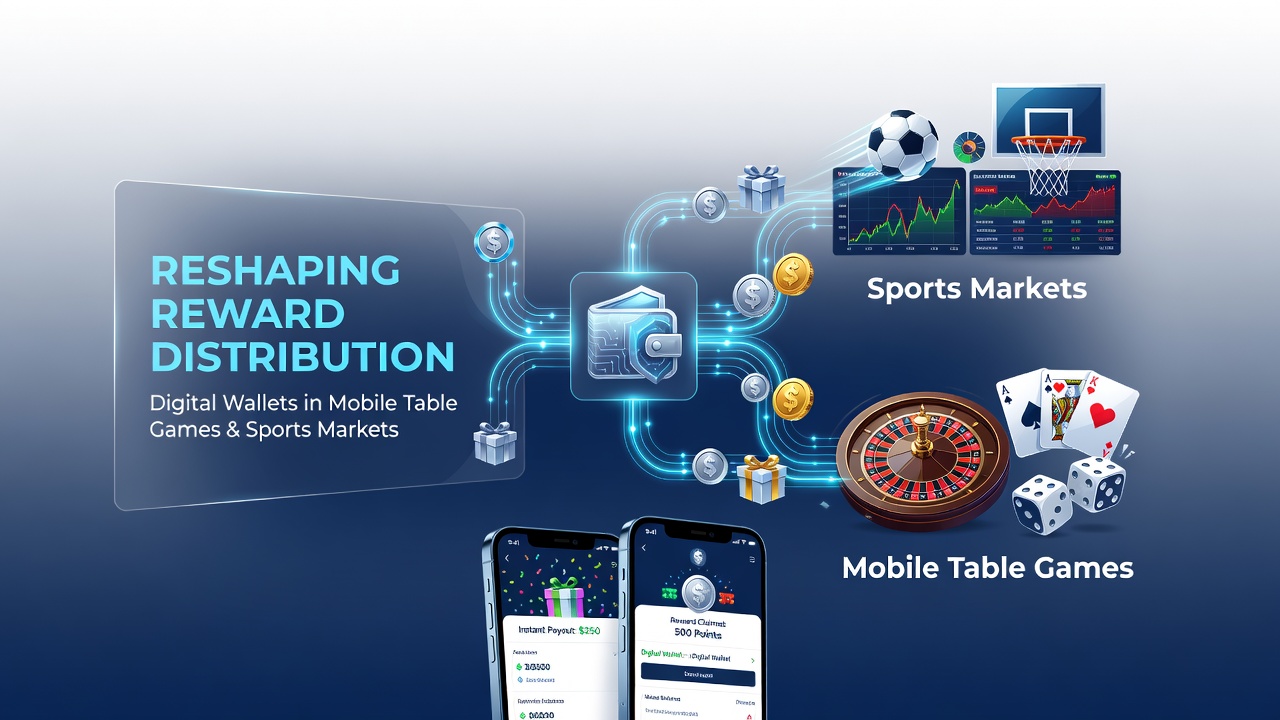
Digital wallets have altered how operators distribute rewards in mobile table games and sports markets, moving away from delayed bank transfers toward instant credit systems that tie directly into user accounts. In October 2026 several platforms reported that over 60 percent of mobile reward redemptions occurred through digital wallet channels rather than traditional payment rails, according to industry tracking data. This shift stems from the ability of wallets to handle micro-transactions and loyalty points in real time while maintaining compliance records across multiple jurisdictions.
Mechanics of Reward Integration in Table Games
Mobile table games such as blackjack and roulette now link bonus multipliers straight to wallet balances so players receive cashback or free-bet credits within seconds of completing a hand or spin. Operators achieve this by embedding API connections that push reward triggers from game servers into the wallet ledger without requiring separate withdrawal requests. Researchers at the University of Las Vegas found that average session lengths increased when rewards appeared instantly because players tended to reinvest portions of those credits immediately. Those same studies noted that wallet-based systems reduced processing disputes by 35 percent compared with older email voucher methods.
One operator in the Asia-Pacific region implemented a tiered reward model where digital wallet users unlocked escalating cashback rates after every five completed rounds; the structure relied on wallet transaction logs to verify activity without storing sensitive card data on the gaming platform itself. This approach also allowed cross-title portability so points earned at a roulette table could convert into sports betting credits on the same account.
Expansion into Sports Betting Reward Structures
Sports markets adopted similar wallet integrations but focused on parlay and live-bet bonuses that settle automatically once events conclude. Data from the American Gaming Association shows that sportsbooks using digital wallets processed reward payouts 48 percent faster than those relying on bank transfers during the 2025-2026 season. American Gaming Association reports further indicate that mobile users who kept funds in digital wallets participated in 22 percent more promotional offers because the friction of claiming rewards dropped significantly.
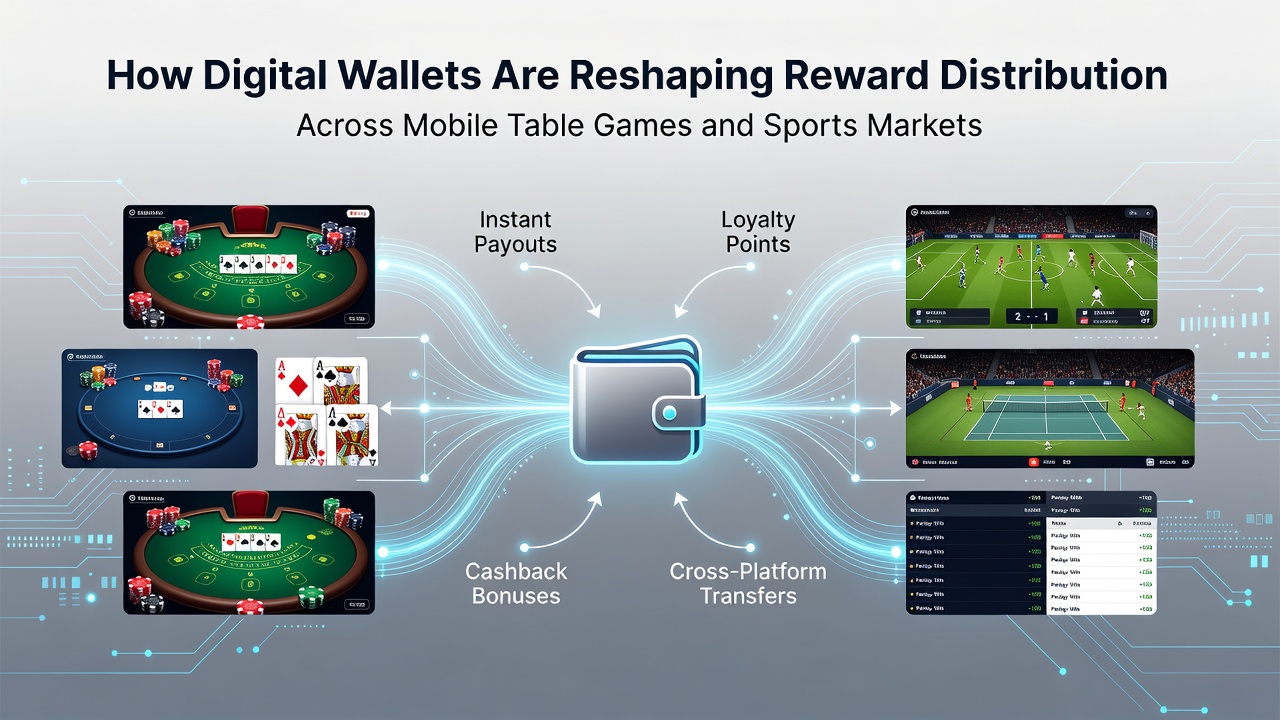
Wallet providers also introduced shared loyalty ecosystems where points accumulated across table games and sports events feed into a single balance. A Canadian operator, for example, allowed users to exchange accumulated points for stadium tickets or merchandise through the same wallet interface used for bet settlements. This consolidation reduced the number of separate loyalty programs players needed to track and increased overall engagement metrics across both verticals.
Regulatory and Security Considerations
Regulators in several markets have required operators to maintain audit trails that link every wallet transaction to the originating game or bet. These rules ensure that reward distributions remain traceable while still permitting instant credits. Observers note that digital wallets incorporate additional encryption layers and multi-factor authentication that exceed standards applied to older bank transfer systems. As a result, platforms reported fewer instances of reward fraud when payouts moved through verified wallet providers rather than direct bank accounts.
European operators outside the UK have begun testing wallet-linked age verification tokens that carry over between table game and sports sections, streamlining compliance checks without repeated document uploads. This method relies on the wallet’s stored credentials rather than platform-specific databases, which simplifies multi-jurisdiction operations.
Cross-Market Data Flows and Player Behavior
Analytics firms tracking mobile activity observed that users who connected digital wallets tended to split their activity evenly between table games and sports betting within the same session. The seamless transfer of reward credits encouraged this pattern because players could move winnings from a successful sports wager directly into a table game bonus pool without exiting the app. Figures released by the Australian Communications and Media Authority highlighted a 19 percent rise in combined table-game and sports activity on wallet-enabled platforms during the first half of 2026.
Wallet providers have also partnered with game studios to embed reward triggers inside live dealer streams, allowing instant tip bonuses or streak multipliers to appear in the same balance used for placing bets. These integrations rely on real-time data handshakes between the streaming server, the game engine, and the wallet API, minimizing latency to under two seconds in most tested environments.
Conclusion
Digital wallets continue to serve as the central mechanism for reward distribution across mobile table games and sports markets by enabling instant, traceable, and portable credit movements. Platforms that adopted these systems early recorded measurable gains in session duration and cross-vertical participation while meeting stricter regulatory demands for transaction transparency. As wallet technology evolves, operators are expected to refine reward models that further blur the line between table game progressions and sports betting outcomes within a single unified balance.